What are the characteristics of graphite
Dec 23, 2023
Graphite is a mineral composed of carbon that has the following properties:
Low density: The density of graphite is relatively low, about 2.09-2.23 g/cm ³. This allows graphite to provide a lightweight solution in some applications.
High temperature resistance: Graphite has good high temperature stability and can maintain stable physical and chemical properties in high temperature environments. Its melting point is extremely high, about 3650 degrees Celsius. Therefore, graphite is often used in high-temperature industrial fields, such as electric furnaces, boilers and so on.
Electrical conductivity: Graphite is an excellent conductive material whose electrical conductivity depends on the bonding between carbon atoms in its layered structure. The conductivity of graphite makes it widely used in batteries, electrodes, conductive coatings and other fields.
Lubricity: Graphite has good lubricity, and its layered structure makes there is a sliding space between the graphite layers, which can reduce friction and wear. Therefore, graphite is often used as a lubricant, such as lubricating oil, grease, etc.
Chemical stability: Graphite has high stability for most chemical substances, and can resist the corrosion of acids, alkalis, solvents, etc. This makes graphite in chemical equipment, anti-corrosion coatings and other fields have a wide range of applications.
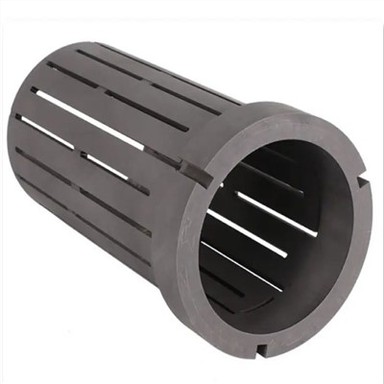
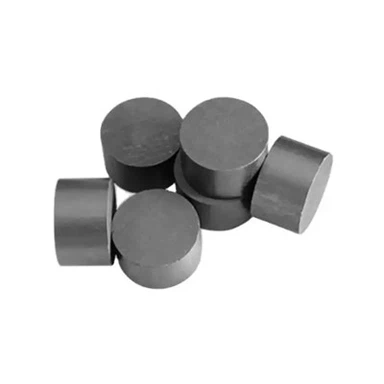
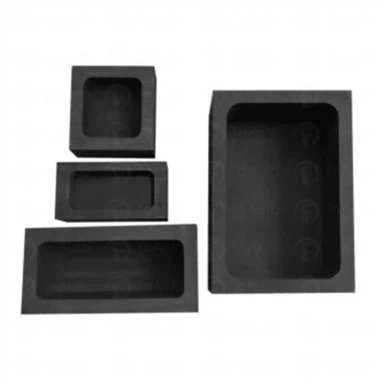
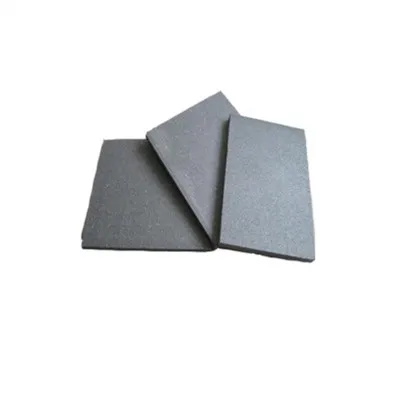
Machinability: Graphite has good machinability and can be formed by machining, compression molding, sintering and other ways. This allows graphite to be prepared into products of different shapes and sizes to meet different needs.
Graphite has the characteristics of low density, high temperature resistance, electrical conductivity, lubricity, chemical stability and good machinability. These properties make graphite have a wide range of applications in many fields, including high-temperature industry, electronic equipment, lubricating materials, chemical industry and so on.