Anti-oxidation treatment of graphite mold
Nov 03, 2023
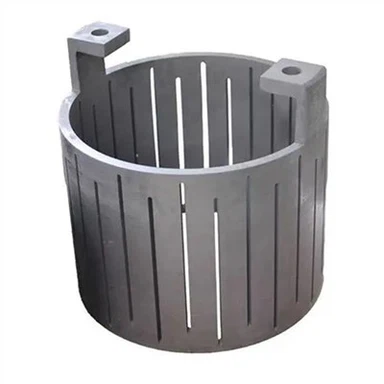
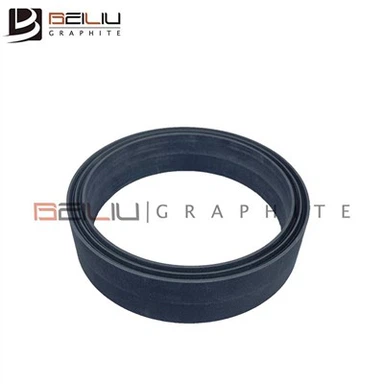
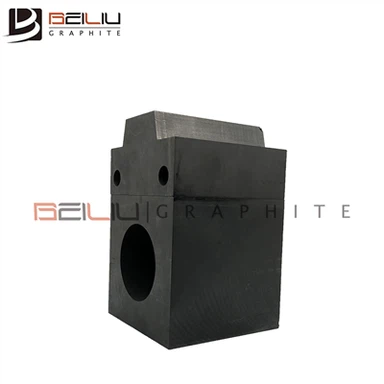
After the production of graphite molds, antioxidant treatment is required, and antioxidants are generally used, which are an oily liquid. The composition is high temperature resistant nano ceramic particles, in the use of graphite mold temperature within 1300℃ oxidation environment, its antioxidant effect beyond, various types of graphite mold after the graphite mold antioxidant protective agent impregnation treatment, the liquid can penetrate into the graphite mold pores, A layer of anti-oxidation protective film of about 0.02mm is formed on the pores of the graphite mold and the surface of the graphite mold. It is this protective film that can effectively isolate the air from direct contact with the graphite mold and the oxidation reaction occurs. Thus, it can effectively resist the oxidation of graphite mold and extend the service life of graphite mold by about 90%. The chemical structure of graphite determines its very good properties and has a very good performance in various industries.
Characteristics of graphite abrasives:
1, thermal conductivity, electrical conductivity: the heterogeneity of graphite is 300 times higher than that of normal non-metallic ore. Conductivity beyond steel, iron, lead and other non-metallic materials. The conductivity increases as the measurement decreases, so that at extremely high measurements, the graphite becomes an adiabatic.
2, chemical stability: graphite at room temperature has excellent chemical stability, acid, alkali resistance and resistance to inorganic solvent erosion.
3, smoothness: the smooth function of graphite originates from the size of the graphite scale, the larger the scale, the smaller the conflict coefficient, the better the smooth function.
4, plasticity: the toughness of graphite is good, can be ground into a very thin fragment. 5, tax shock resistance: when graphite is used at room temperature, it can withstand the violent changes of the measurement without causing damage, and when measuring the gradual change, the volume change of graphite is not large, and no cracks will occur. 6, low temperature resistance: the melting point of graphite is 3850±50℃, the boiling point is 4250℃, even if the ultra-low temperature arc burning, the loss of component is very small, the thermal shrinkage coefficient is also very small. The strength of graphite increases with the progress of measurement, and at 2000 ° C, the strength of graphite is doubled.